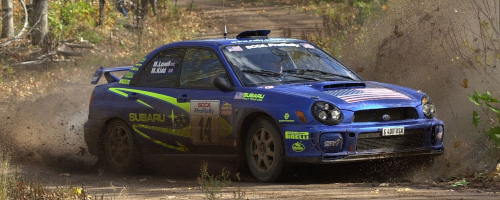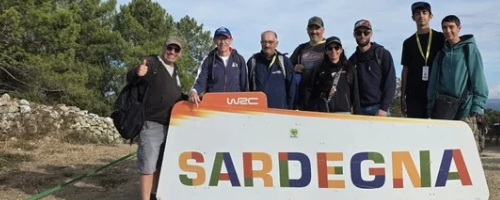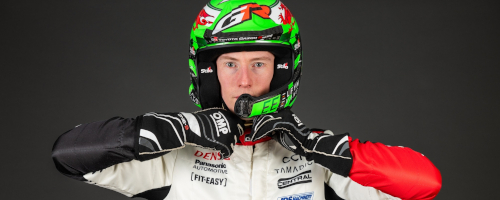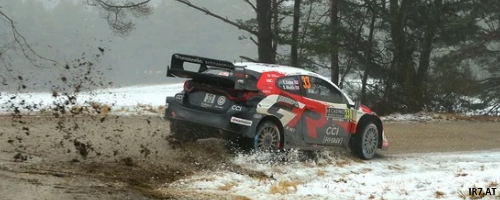
La saison du championnat du monde des rallyes 2026 est désormais terminée et le suspens a duré jusqu’aux derniers mètres de la Power Stage en Sardaigne avec le sacre de Evans qui devient Champion du Monde WRC.
Le Gallois avec ses deux victoires (Suède et Japon), six podiums et trente victoires en spéciales, s’impose au final devant Solberg (cinq points derrière) et Pajari (six points derrière). Un duel des pilotes Toyota Gazoo Racing qui a décroché le titre de Champion Constructeurs encore cette saison.
Dans la catégorie WRC2 Virves est Champion du Monde devant Korhonen Vice-Champion de la classe.
Planetemarcus vous propose ci-dessous, de lire tous les détails des classements WRC et WRC2 de la saison ainsi que le live text des treize épreuves du Monte-Carlo à la Sardaigne. Un grand Merci pour votre fidélité.
SAISON WRC 2026
| CLASSEMENT PILOTES
|
|
| T
| 
| 
| 
| 
| 
| 
| 
| 
| 
| 
| 
| 
| 
| 
|
| 1
| Evans
| 243
| 26
| 34
| 6
| 8
| 27
| 22
| 28
| 11
| 15
| 24
| 15
| 14
| 13
| x
|
| 2
| Solberg
| 238
| 30
| 17
| 11
| 10
| A
| 24
| 10
| 1
| 27
| 26
| 19
| 34
| 29
| x
|
| 3
| Pajari
| 237
| A
| 17
| 15
| 20
| 20
| 6
| 18
| 20
| 28
| 27
| 25
| 17
| 24
| x
|
| 4
| Ogier
| 189
| 18
| –
| 8
| –
| 32
| 9
| 23
| 35
| 14
| A
| 9
| 23
| 18
| x
|
| 5
| Fourmaux
| 183
| 17
| 11
| 19
| 2
| 10
| 20
| 10
| 6
| 16
| 18
| 20
| 18
| 16
| x
|
| 6
| Katsuta
| 175
| 6
| 24
| 25
| 26
| 18
| 12
| 20
| 20
| 1
| 8
| A
| 3
| 12
| x
|
| 7
| Neuville
| 134
| 10
| 11
| 4
| A
| 10
| 30
| 8
| 22
| 16
| 14
| 4
| A
| 5
| x
|
| 8
| Paddon
| 38
| 0
| –
| –
| 15
| –
| –
| 6
| –
| –
| –
| 17
| –
| –
| x
|
| 9
| McErlean
| 35
| A
| 2
| A
| 0
| 4
| 0
| 1
| 8
| 0
| 6
| 8
| 6
| 0
| x
|
| 10
| Lappi
| 33
| –
| 9
| 12
| –
| –
| –
| –
| –
| 4
| A
| –
| 8
| –
| x
|
| 11
| Rossel Y.
| 24
| 6
| –
| –
| 12
| 2
| 0
| –
| 0
| –
| 0
| 0
| 4
| –
| x
|
| 12
| Armstrong
| 22
| A
| 4
| 0
| 6
| 0
| A
| 4
| 0
| 2
| 0
| A
| 0
| 6
| x
|
| 13
| Virves
| 19
| –
| –
| 10
| –
| 0
| 0
| –
| 2
| 1
| 2
| 0
| 2
| 2
| x
|
| 14
| Rossel L.
| 18
| 8
| –
| –
| 10
| 0
| –
| –
| 0
| –
| 0
| –
| –
| A
| x
|
| 15
| Greensmith
| 14
| –
| –
| 8
| –
| –
| 0
| –
| 0
| 0
| A
| 4
| 1
| 1
| x
|
| 16
| Sesks
| 12
| –
| 0
| –
| –
| –
| 2
| –
| 4
| 6
| 0
| –
| –
| 0
| x
|
| 17
| Sordo
| 10
| –
| –
| –
| –
| 6
| 4
| –
| A
| –
| –
| –
| –
| A
| x
|
| –
| Gryazin
| 10
| 0
| –
| –
| 8
| 0
| 0
| 2
| –
| –
| 0
| 0
| A
| –
| x
|
| 19
| Korhonen
| 9
| –
| 1
| –
| 4
| –
| 0
| –
| 0
| 0
| 0
| –
| –
| 4
| x
|
| 20
| Dominguez
| 8
| –
| –
| 2
| –
| 0
| –
| A
| 0
| –
| –
| 6
| 0
| –
| x
|
| 21
| Cachón
| 7
| –
| 0
| –
| 6
| 1
| A
| 0
| 0
| –
| –
| A
| A
| –
| x
|
| 22
| Zaldivar F.
| 6
| –
| –
| 6
| –
| 0
| 0
| –
| –
| 0
| A
| 0
| A
| A
| x
|
| –
| Daprà
| 6
| 4
| –
| –
| 2
| 0
| 0
| –
| 0
| –
| –
| –
| –
| 0
| x
|
| 24
| Mikkelsen
| 5
| –
| –
| 4
| 0
| –
| 0
| –
| 1
| –
| –
| –
| –
| –
| x
|
| 25
| Latvala
| 4
| –
| –
| –
| –
| –
| –
| –
| –
| –
| 4
| –
| –
| –
| x
|
| 26
| Fontana
| 2
| 2
| 0
| –
| 0
| –
| 0
| –
| 0
| –
| 0
| –
| –
| 0
| x
|
| –
| Pelamourgues
| 2
| 2
| –
| –
| A
| 0
| –
| –
| –
| 0
| A
| –
| –
| –
| x
|
| –
| Suninen
| 2
| –
| 0
| –
| –
| –
| 1
| –
| –
| 0
| 1
| –
| –
| 0
| x
|
| –
| Galanti
| 2
| –
| –
| –
| –
| –
| –
| –
| –
| –
| –
| 2
| –
| –
| x
|
| 30
| Lindholm
| 1
| –
| –
| –
| 1
| 0
| –
| 0
| –
| 0
| A
| –
| –
| 0
| x
|
| –
| Camilli
| 1
| 1
| –
| –
| A
| 0
| 0
| –
| –
| –
| –
| –
| –
| –
| x
|
| –
| Gill
| 1
| –
| 0
| –
| 0
| –
| –
| –
| –
| –
| 0
| 1
| 0
| –
| x
|
| CLASSEMENT CONSTRUCTEURS
|
|
| T
|
|
|
|
|
|
|
|
|
|
|
|
|
|
|
| 1
| Toyota 1
| 662
| 59
| 58
| 40
| 49
| 59
| 46
| 59
| 50
| 44
| 50
| 40
| 60
| 48
| x
|
| 2
| Hyundai
| 440
| 35
| 31
| 48
| 27
| 26
| 51
| 25
| 31
| 34
| 32
| 41
| 29
| 30
| x
|
| 3
| Toyota 2
| 251
| A
| 18
| 17
| 20
| 20
| 11
| 20
| 23
| 28
| 27
| 26
| 17
| 24
| x
|
| 4
| M-Sport
| 168
| A
| 14
| 9
| 26
| 14
| 8
| 14
| 17
| 14
| 14
| 8
| 14
| 16
| x
|
|
|
|
|
|
|
|
|
|
|
|
|
|
|
|
|
|
| 1
| Pajari
| 251
| A
| 18
| 17
| 20
| 20
| 11
| 20
| 23
| 28
| 27
| 26
| 17
| 24
| x
|
| 2
| Solberg
| 235
| 32
| 0
| 22
| 10
| A
| 24
| 10
| 2
| 27
| 26
| 19
| 34
| 29
| x
|
| 3
| Fourmaux
| 218
| 21
| 14
| 28
| 12
| 12
| 20
| 14
| 8
| 17
| 18
| 20
| 18
| 16
| x
|
| 4
| Evans
| 209
| 27
| 34
| 0
| 14
| 27
| 22
| 25
| 13
| 7
| 24
| 12
| 4
| NT
| x
|
| 5
| Ogier
| 169
| 0
| –
| 18
| –
| 32
| 0
| 24
| 35
| 10
| A
| 9
| 22
| 19
| x
|
| 6
| Neuville
| 150
| 12
| 6
| 5
| A
| 13
| 31
| 11
| 23
| 17
| 14
| 4
| A
| 14
| x
|
| 7
| McErlean
| 86
| A
| 6
| A
| 12
| 8
| 8
| 6
| 10
| 6
| 8
| 8
| 8
| 6
| x
|
| 8
| Armstrong
| 82
| A
| 8
| 9
| 14
| 6
| A
| 8
| 7
| 8
| 6
| A
| 6
| 10
| x
|
| 9
| Katsuta
| 49
| NT
| 24
| NT
| 25
| NT
| NT
| NT
| NT
| NT
| NT
| A
| NT
| NT
| x
|
| 10
| Lappi
| 37
| –
| 11
| 15
| –
| –
| –
| –
| –
| 0
| A
| –
| 11
| –
| x
|
| 11
| Paddon
| 34
| 2
| –
| –
| 15
| –
| –
| 0
| –
| –
| –
| 17
| –
| –
| x
|
| 12
| Sordo
| 1
| –
| –
| –
| –
| 1
| 0
| –
| A
| –
| –
| –
| –
| A
| x
|
| VICTOIRES EN SPECIALES
|
|
| T
|
|
|
|
|
|
|
|
|
|
|
|
|
|
|
| 1
| Solberg
| 64
| 6
| 4
| 4
| 10
| 6
| 4
| 7
|
| 5
| 2
| 5
| 6
| 5
| x
|
| 2
| Ogier
| 50
| 4
|
| 7
|
| 6
| 7
| 3
| 7
|
| 5
| 3
| 6
| 2
| x
|
| 3
| Pajari
| 39
|
| 2
| 5
| 3
| 1
| 3
| 4
|
| 12
| 6
| 1
| 1
| 1
| x
|
| 4
| Evans
| 30
| 3
| 5
| 1
| 3
| 4
| 2
| 5
|
|
| 4
| 1
| 2
|
| x
|
| 5
| Fourmaux
| 27
| 2
|
| 1
|
|
| 5
|
| 5
|
| 2
| 9
|
| 3
| x
|
| 6
| Neuville
| 21
|
| 2
|
| 3
|
| 2
|
| 5
| 1
| 1
|
| 1
| 6
| x
|
| 7
| Katsuta
| 10
|
| 4
|
| 1
| 2
|
| 1
|
|
| 1
| 1
|
|
| x
|
| 8
| Fontana
| 2
| 2
|
|
|
|
|
|
|
|
|
|
|
|
| x
|
| 9
| Paddon
| 1
|
|
|
|
|
|
|
|
|
|
| 1
|
|
| x
|
| –
| Armstrong
| 1
|
|
|
|
|
|
|
| 1
|
|
|
|
|
| x
|
| –
| Sesks
| 1
|
| 1
|
|
|
|
|
|
|
|
|
|
|
| x
|
| –
| Virves
| 1
|
|
|
|
|
| 1
|
|
|
|
|
|
|
| x
|
|
|
|
|
|
|
|
|
|
|
|
|
|
|
|
|
|
| 1
| Toyota 1
| 154
| 13
| 13
| 12
| 14
| 18
| 13
| 16
| 7
| 5
| 12
| 10
| 14
| 7
| x
|
| 2
| Hyundai
| 49
| 2
| 2
| 1
| 3
|
| 7
|
| 10
| 1
| 3
| 10
| 1
| 9
| x
|
| 3
| Toyota 2
| 39
|
| 2
| 5
| 3
| 1
| 3
| 4
|
| 12
| 6
| 1
| 1
| 1
| x
|
| 4
| Fontana
| 2
| 2
|
|
|
|
|
|
|
|
|
|
|
|
| x
|
| 5
| M-Sport
| 1
|
|
|
|
|
|
|
| 1
|
|
|
|
|
| x
|
| –
| Sesks
| 1
|
| 1
|
|
|
|
|
|
|
|
|
|
|
| x
|
| –
| Virves
| 1
|
|
|
|
|
| 1
|
|
|
|
|
|
|
| x
|
|
|
|
|
|
|
|
|
|
|
|
|
|
|
|
|
|
|
| Annulation
| 4
|
|
| 2
|
| 1
|
|
|
|
|
| 1
|
|
| x
|
|
| TOTAL
| 242
| 17
| 18
| 18
| 20
| 17
| 23
| 20
| 17
| 18
| 20
| 21
| 16
| 17
| x
|
| CLASSEMENT PILOTES WRC2
|
|
| T
|
|
|
|
|
|
|
|
|
|
|
|
|
|
|
| 1
| Virves
| 134
| –
| –
| 25
| –
| NC
| NC
| –
| 25
| 25
| 25
| 0
| 17
| 17
| x
|
| 2
| Korhonen
| 104
| –
| 25
| –
| 10
| –
| 17
| –
| 12
| 15
| 0
| –
| –
| 25
| x
|
| 3
| Rossel Y.
| 85
| 2
| –
| –
| 25
| 25
| 0
| –
| A
| –
| NC
| 8
| 25
| –
| x
|
| 4
| Suninen
| 84
| –
| 17
| –
| –
| –
| 25
| –
| –
| 17
| 17
| –
| –
| 8
| x
|
| 5
| Gryazin
| 66
| 8
| –
| –
| 15
| 8
| NC
| 25
| –
| –
| NC
| 10
| A
| –
| x
|
| 6
| Greensmith
| 65
| –
| –
| 17
| –
| –
| 1
| –
| 0
| NC
| A
| 17
| 15
| 15
| x
|
| 7
| Cachón
| 61
| –
| NC
| –
| 12
| 17
| A
| 17
| 15
| –
| –
| A
| A
| –
| x
|
| 8
| Rossel L.
| 58
| 29
| –
| –
| 17
| 10
| –
| –
| 6
| –
| 4
| –
| –
| A
| x
|
| 9
| Dominguez
| 53
| –
| –
| 10
| –
| 0
| –
| A
| 10
| –
| –
| 25
| 8
| –
| x
|
| 10
| Daprà
| 47
| 17
| –
| –
| 8
| 12
| 0
| –
| 0
| –
| –
| –
| –
| 10
| x
|
| 11
| Mikkelsen
| 44
| –
| –
| 12
| 0
| –
| 15
| –
| 17
| –
| –
| –
| –
| –
| x
|
| 12
| Gill
| 38
| –
| 12
| –
| 2
| –
| –
| –
| –
| –
| 1
| 12
| 12
| –
| x
|
| 13
| Joona
| 36
| –
| 15
| –
| –
| –
| –
| –
| –
| 6
| 15
| –
| –
| –
| x
|
| 14
| Lindholm
| 34
| –
| –
| –
| 6
| 4
| –
| 12
| –
| 12
| A
| –
| –
| 0
| x
|
| 15
| Camilli
| 33
| 12
| –
| –
| A
| 15
| 6
| –
| –
| –
| –
| –
| –
| –
| x
|
| 16
| Johansson
| 27
| –
| A
| –
| 0
| 1
| 8
| –
| A
| 10
| 8
| –
| –
| –
| x
|
| –
| Zaldivar F.
| 27
| –
| –
| 15
| –
| NC
| 10
| –
| –
| 0
| A
| 2
| A
| A
| x
|
| 18
| Solans
| 26
| –
| –
| –
| –
| 6
| 12
| –
| 8
| 0
| –
| –
| –
| A
| x
|
| 19
| Yamamoto
| 16
| A
| –
| –
| NC
| 0
| NC
| 15
| 1
| 0
| 0
| 0
| A
| –
| x
|
| –
| Kajetanowicz
| 16
| –
| –
| –
| 4
| –
| –
| –
| –
| –
| –
| –
| –
| 12
| x
|
| 21
| Pelamourgues
| 15
| 15
| –
| –
| A
| 0
| –
| –
| –
| 0
| A
| –
| –
| –
| x
|
| –
| Jürgenson
| 15
| NC
| 0
| A
| 1
| NC
| 0
| NC
| NC
| 4
| 10
| A
| A
| –
| x
|
| –
| Galanti
| 15
| –
| –
| –
| –
| –
| –
| –
| 0
| –
| –
| 15
| –
| –
| x
|
| 24
| Vaher
| 12
| –
| –
| –
| –
| –
| –
| –
| –
| A
| 12
| –
| –
| –
| x
|
| 25
| Trentin
| 11
| –
| 4
| –
| –
| 0
| 0
| –
| –
| 0
| 6
| –
| –
| 1
| x
|
| 26
| Reiersen
| 10
| –
| 10
| –
| –
| –
| –
| –
| –
| –
| –
| –
| –
| –
| x
|
| –
| Ingram
| 10
| 10
| –
| –
| –
| –
| –
| –
| –
| –
| –
| –
| –
| –
| x
|
| –
| Arai
| 10
| –
| –
| –
| –
| –
| –
| 10
| –
| –
| –
| –
| –
| –
| x
|
| –
| Martinez
| 10
| –
| –
| –
| –
| –
| –
| –
| –
| –
| –
| –
| 10
| –
| x
|
| 30
| Solowow
| 8
| 0
| 8
| –
| –
| –
| –
| –
| –
| –
| –
| –
| –
| –
| x
|
| –
| Chwist
| 8
| –
| –
| 8
| –
| –
| –
| –
| –
| –
| –
| –
| –
| –
| x
|
| –
| Enok
| 8
| –
| –
| –
| –
| –
| –
| –
| –
| 8
| 0
| –
| –
| –
| x
|
| –
| Katsuta N.
| 8
| –
| –
| –
| –
| –
| –
| 8
| –
| –
| –
| –
| –
| –
| x
|
| 34
| Chatillon
| 7
| –
| 1
| –
| –
| –
| 4
| –
| 2
| –
| 0
| –
| –
| –
| x
|
| 35
| Jylhä
| 6
| –
| 6
| –
| –
| –
| –
| –
| –
| –
| –
| –
| –
| –
| x
|
| –
| Koltun
| 6
| 6
| 0
| –
| –
| –
| –
| –
| –
| –
| –
| –
| –
| –
| x
|
| –
| Patel
| 6
| –
| –
| 6
| –
| –
| –
| –
| –
| –
| –
| –
| –
| –
| x
|
| –
| Nutahara
| 6
| –
| –
| –
| –
| –
| –
| 6
| –
| –
| –
| –
| –
| –
| x
|
| –
| Zaldivar M.
| 6
| –
| –
| –
| –
| –
| –
| –
| –
| –
| –
| 6
| –
| –
| x
|
| –
| Heller A.
| 6
| –
| –
| –
| –
| –
| –
| –
| –
| –
| –
| –
| 6
| –
| x
|
| –
| Mauro
| 6
| –
| 0
| –
| –
| A
| –
| –
| 0
| –
| –
| –
| –
| 6
| x
|
| 42
| Lafarja
| 5
| –
| –
| 1
| –
| 0
| –
| 4
| 0
| –
| –
| 0
| –
| –
| x
|
| 43
| Sarrazin
| 4
| A
| –
| –
| A
| 0
| 0
| –
| 4
| –
| NC
| –
| –
| 0
| x
|
| –
| Kohn
| 4
| 4
| –
| –
| –
| –
| –
| –
| –
| –
| –
| –
| –
| –
| x
|
| –
| Virani
| 4
| –
| –
| 4
| –
| –
| –
| –
| –
| –
| –
| –
| –
| –
| x
|
| –
| Bestard
| 4
| –
| –
| –
| –
| –
| –
| –
| –
| –
| –
| 4
| –
| –
| x
|
| –
| Rosselot
| 4
| –
| –
| –
| –
| –
| –
| –
| –
| –
| –
| –
| 4
| –
| x
|
| –
| Raith
| 4
| –
| –
| –
| –
| –
| –
| –
| –
| –
| –
| –
| –
| 4
| x
|
| 49
| Matsushita
| 3
| –
| –
| –
| –
| –
| –
| –
| –
| 1
| 2
| –
| –
| –
| x
|
| 50
| Imai
| 2
| –
| –
| –
| –
| –
| –
| 2
| –
| –
| –
| –
| –
| –
| x
|
| –
| Viitanen
| 2
| –
| 2
| –
| –
| –
| –
| –
| –
| –
| –
| –
| –
| –
| x
|
| –
| Singh
| 2
| –
| –
| 2
| –
| –
| –
| –
| –
| –
| –
| –
| –
| –
| x
|
| –
| Cruz
| 2
| –
| –
| –
| –
| 2
| –
| –
| –
| –
| –
| –
| –
| –
| x
|
| –
| ten Brinke
| 2
| –
| 0
| –
| 0
| –
| 2
| –
| A
| 0
| –
| –
| –
| –
| x
|
| –
| Nõgene
| 2
| –
| –
| –
| –
| –
| –
| –
| –
| 2
| A
| –
| –
| –
| x
|
| –
| Heller P.
| 2
| –
| –
| –
| –
| –
| –
| –
| –
| –
| –
| –
| 2
| –
| x
|
| –
| Romagna
| 2
| –
| –
| –
| –
| –
| –
| –
| –
| –
| –
| –
| –
| 2
| x
|
| 58
| Wartique
| 1
| 1
| 0
| –
| –
| –
| –
| –
| –
| –
| –
| –
| –
| –
| x
|
| –
| Fukunaka
| 1
| –
| –
| –
| –
| –
| –
| 1
| –
| –
| –
| –
| –
| –
| x
|
| –
| Zaldivar M.
| 1
| –
| –
| –
| –
| –
| –
| –
| –
| –
| –
| 1
| –
| –
| x
|
| –
| Mosca
| 1
| –
| –
| –
| –
| –
| –
| –
| –
| –
| –
| –
| 1
| –
| x
|
(A = Abandon / NT = Ne marque pas pour le Team / NC = Ne marque pas championnat WRC2 / – = Non engagé)
| Toyota Gazoo Racing WRT [Yaris Rally1] |
| Elfyn Evans – Scott Martin
| COMPLET
|
| Oliver Solberg – Elliott Edmondson
| COMPLET
|
| Takamoto Katsuta – Aaron Johnston
| COMPLET
|
| Takamoto Katsuta – James Fulton
| (CHI)
|
| Sébastien Ogier – Vincent Landais
| (MC-KEN-CAN-POR-JAP-GRE-EST-PAR-CHI-ITA)
|
| Sébastien Ogier – Julien Ingrassia
| (FIN)
|
| Toyota Gazoo Racing WRT2 [Yaris Rally1] |
| Sami Pajari – Marko Salminen
| COMPLET
|
| Toyota « équipages privés » [Yaris Rally1] |
| Lorenzo Bertelli – Simone Scattolin
| (SUE)
|
| Hyundai Shell Mobis World Rally Team [i20 Rally1] |
| Thierry Neuville – Martijn Wydaeghe
| COMPLET
|
| Adrien Fourmaux – Alexandre Coria
| COMPLET
|
| Hayden Paddon – John Kennard
| (MC-CRO-JAP-PAR)
|
| Esapekka Lappi – Enni Mälkönen
| (SUE-KEN-EST-FIN-CHI)
|
| Dani Sordo – Cándido Carrera
| (CAN-POR-GRE)
|
| Dani Sordo – Patricia Sáiz
| (ITA)
|
| M-Sport Ford World Rally Team [Puma Rally1] |
| Josh McErlean – Eoin Treacy
| COMPLET
|
| Jon Armstrong – Shane Byrne
| COMPLET
|
| M-Sport « équipages privés » [Puma Rally1] |
| Martins Sesks – Francis Renārs
| (SUE-POR-GRE-EST-FIN-ITA)
|
| Grégoire Munster – Louis Louka
| (MC)
|
| Jourdan Serderidis – Frédéric Miclotte
| (GRE)
|
___________________________________________________________________________________________
Attribution des points WRC de la saison WRC 2026
L’attribution des points repose sur trois critères cumulés :
1/
Classement final général de l’épreuve
1er : 25pts
2ème : 17pts
3ème : 15pts
4ème : 12pts
5ème : 10pts
6ème : 8pts
7ème : 6pts
8ème : 4pts
9ème : 2pts
10ème : 1pt
2/
Classement général uniquement de la journée du dimanche (Super Sunday)
1er : 5pts
2ème : 4pts
3ème : 3pts
4ème : 2pts
5ème : 1pt
3/
Power Stage
1er : 5pts
2ème : 4pts
3ème : 3pts
4ème : 2pts
5ème : 1pt
Pour le championnat constructeurs le même barème est appliqué. Cependant trois pilotes maximums sont nominés pour inscrire des points et seulement les deux mieux placés à chaque fois marquent les points pour l’équipe. A noter que la troisième auto nominée ne bloque pas les points pour les adversaires.
Attribution des points Championnat WRC2 de la saison WRC 2026
Classement final général de la catégorie
1er : 25pts
2ème : 17pts
3ème : 15pts
4ème : 12pts
5ème : 10pts
6ème : 8pts
7ème : 6pts
8ème : 4pts
9ème : 2pts
10ème : 1pt
Champion WRC2
Le titre de Champion WRC2 est attribué au pilote qui aura marqué le plus grand nombre de points sur un maximum de six des sept rallyes dans lesquels il peut s’engager pour marquer des points.
___________________________________________________________________________________________
WRC Rallye Monte-Carlo 2026
| SS |
Special Stage |
Local |
France |
Kms |
| Mercredi 21 Janvier |
| SD |
Gap |
14h01 |
14h01 |
4.25 |
|
Temps du shakedown |
|
|
|
| Jeudi 22 Janvier (60,76kms) |
|
Ordre départ JOUR 1 |
|
|
|
| SS1 |
Toudon / Saint-Antonin
| 16h05
| 16h05
| 21.90
|
| SS2 |
Esclangon / Seyne-les-Alpes
| 18h35
| 18h35
| 23.80
|
| SS3 |
Vaumeilh / Claret 1
| 20h35
| 20h35
| 15.06
|
|
FLEXI-SERVICE A (Gap) |
21h39 |
21h39 |
48mn |
| Vendredi 23 Janvier (128,88kms) |
|
Ordre départ JOUR 2 |
|
|
|
|
SERVICE B (Gap) |
07h28 |
07h28 |
18mn |
| SS4 |
Laborel / Chauvac-Laux-Montaux 1
| 09h04
| 09h04
| 17.95
|
| SS5 |
St-Nazaire-le-Désert / La Motte-Chalançon 1
| 10h32
| 10h32
| 28.70
|
| SS6 |
La Bâtie-des-Fonts / Aspremont 1
| 11h50
| 11h50
| 17.79
|
|
SERVICE C (Gap) |
13h25 |
13h25 |
33mn |
| SS7 |
Laborel / Chauvac-Laux-Montaux 2
| 15h16
| 15h16
| 17.95
|
| SS8 |
St-Nazaire-le-Désert / La Motte-Chalançon 2
| 16h44
| 16h44
| 28.70
|
| SS9 |
La Bâtie-des-Fonts / Aspremont 2
| 18h05
| 18h05
| 17.79
|
|
FLEXI-SERVICE D (Gap) |
19h20 |
19h20 |
48mn |
| Samedi 24 Janvier (77,61kms) |
|
Ordre départ JOUR 3 |
|
|
|
|
SERVICE E (Gap) |
07h30 |
07h30 |
18mn |
| SS10 |
La Bréole / Bellafaire 1
| 08h31
| 08h31
| 29.93
|
| SS11 |
Vaumeilh / Claret 2
| 09h55
| 09h55
| 15.06
|
|
SERVICE F (Gap) |
11h15 |
11h15 |
33mn |
| SS12 |
La Bréole / Bellafaire 2
| 12h31
| 12h31
| 29.93
|
|
REMOTE SERVICE G (Château-Arnoux) |
14h00 |
14h00 |
20mn |
| SS13 |
Monaco Circuit
| 18h35
| 18h35
| 2.69
|
| Dimanche 25 Janvier (71,90kms) |
|
Ordre départ JOUR 4 |
|
|
|
|
REMOTE SERVICE H (Monaco) |
06h22 |
06h22 |
20mn |
| SS14 |
Col de Braus / La Cabanette 1
| 08h05
| 08h05
| 12.50
|
| SS15 |
La Bollène-Vésubie / Moulinet 1
| 09h35
| 09h35
| 23.45
|
| SS16 |
Col de Braus / La Cabanette 2
| 11h09
| 11h09
| 12.50
|
| SS17 |
La Bollène-Vésubie / Moulinet 2 [Power Stage]
| 13h15
| 13h15
| 23.45
|
VAINQUEURS DE SPECIALES
Solberg x6
Ogier x4
Evans x3
Fontana x2
Fourmaux x2
▷
JEUDI
‧
SS1 : Touchette pour Rossel qui abandonne (dégâts importants à l’avant-droit).
‧
SS2 : Abandon au même endroit de Pajari (roue arrachée) et McErlean suite à une sortie de route. Fourmaux est victime d’un tête à queue (+51s7), Gryazin endommage la suspension après avoir tapé un arbre (+1mn51s4).
‧
SS3 : Dans le brouillard, Fourmaux sort en fin de spéciale (+45s8). Direction assistée cassée pour Munster qui termine avec 2mn22s7 de retard sur le meilleur temps. Spéciale arrêtée définitivement (drapeau rouge) après le passage de Munster pour des raisons de sécurité (brouillard trop important + spectateurs mal placés).
▷
VENDREDI
‧
SS5 : Crevaison pour Solberg (+27s2), Munster (+2mn53s7) et Katsuta (+1mn03s0).
‧
SS6 : Crevaison pour Munster (+1mn12s5) et Katsuta (+34s7).
‧
SS7 : Katsuta perd 1mn03s4 suite à une direction assistée cassée, souci de frein à main pour Fourmaux (+1mn04s6) et crevaison pour Armstrong (+31s0). Paddon écope d’une pénalité de 30s suite à un retard de trois minutes au départ de la spéciale.
‧
SS8 : Toujours en proie à des soucis de direction assistée Katsuta perd 3mn03s4 sur ce chrono. Victime d’une crevaison Armstrong perd 3mn12s8 tandis que Fourmaux écope d’une pénalité de 30s pour un retard de trois minutes au départ (soucis sur la liaison).
‧
SS9 : Sortie de route de McErlean qui abandonne. Neuville est aussi victime d’une sortie de route et perd 3mn43s1. Katsuta se bat toujours avec sa direction assistée endommagée et termine la spéciale avec 1mn56s4 de retard.
▷
SAMEDI
‧
SS10 : Crevaison pour Armstrong (+1mn39s5).
‧
SS12 : Sortie de route de Pajari, Gryazin et Sarrazin qui abandonnent. Tête à queue de Munster (+48s0), Fourmaux (+37s1) et Neuville (+57s9). Sortie de route de Paddon (+6mn01s1) et Solberg qui perd une quinzaine de secondes environ et signe quand même le meilleur temps. Abandon de Jürgenson (souci technique sur la Ford Fiesta Rally2).
▷
DIMANCHE
‧
Observations : Abandon définitif de Pajari (suite à sa sortie de route samedi dans la SS12).
‧
SS14 : Abandon de Munster sur la liaison avant le départ (souci mécanique).
‧
SS15 : Crevaison pour Neuville (+2mn26s9) et tête à queue de Solberg (+8s8).
‧
SS16 : Abandon de McErlean, Armstrong et Sarrazin sur sortie de route. Tout droit de Solberg, il perd 5s4. Une minute de pénalité pour Paddon suite au pointage en avance, 10s de pénalité pour Jürgenson suite au pointage en retard d’une minute et 3mn20s de pénalité pour Camilli pour un pointage en retard de vingt minutes. Spéciale interrompue (drapeau rouge) suite à la sortie de route de Sarrazin qui bloque la spéciale.
‧
Power Stage : Evans Solberg+6s5 Ogier+17s3 Fourmaux+18s1 Rossel+20s4
‧
Super Sunday : Rossel Evans+22s4 Fourmaux+26s3 Fontana+29s7 Solberg+29s9
___________________________________________________________________________________________
WRC Rally Sweden 2026
| SS |
Special Stage |
Local |
France |
Kms |
| Jeudi 12 Février (10,23kms) |
| SD |
Umeå City |
12h01 |
12h01 |
3.07 |
|
Temps du shakedown |
|
|
|
|
Ordre départ SS1 |
|
|
|
| SS1 |
Umeå 1
| 19h05
| 19h05
| 10.23
|
| Vendredi 13 Février (124,88kms) |
|
Ordre départ JOUR 2 |
|
|
|
| SS2 |
Bygdsiljum 1
| 10h07
| 10h07
| 27.55
|
| SS3 |
Andersvattnet 1
| 11h08
| 11h08
| 20.51
|
| SS4 |
Bäck 1
| 12h16
| 12h16
| 11.53
|
|
SERVICE A (Umeå) |
13h48 |
13h48 |
30mn |
| SS5 |
Bygdsiljum 2
| 15h40
| 15h40
| 27.55
|
| SS6 |
Andersvattnet 2
| 16h41
| 16h41
| 20.51
|
| SS7 |
Bäck 2
| 17h49
| 17h49
| 11.53
|
| SS8 |
Umeå Sprint 1
| 19h05
| 19h05
| 5.70
|
|
FLEXI-SERVICE B (Umeå) |
19h45 |
19h45 |
45mn |
| Samedi 14 Février (104,42kms) |
|
Ordre départ JOUR 3 |
|
|
|
| SS9 |
Vännäs 1
| 10h10
| 10h10
| 15.70
|
| SS10 |
Sarsjöliden 1
| 11h05
| 11h05
| 16.72
|
| SS11 |
Kolksele 1
| 11h59
| 11h59
| 16.94
|
|
SERVICE C (Umeå) |
13h50 |
13h50 |
30mn |
| SS12 |
Vännäs 2
| 15h10
| 15h10
| 15.70
|
| SS13 |
Sarsjöliden 2
| 16h05
| 16h05
| 16.72
|
| SS14 |
Kolksele 2
| 16h59
| 16h59
| 16.94
|
| SS15 |
Umeå Sprint 2
| 18h05
| 18h05
| 5.70
|
|
FLEXI-SERVICE D (Umeå) |
18h45 |
18h45 |
45mn |
| Dimanche 15 Février (61,13kms) |
|
Ordre départ JOUR 4 |
|
|
|
| SS16 |
Västervik 1
| 07h33
| 07h33
| 25.45
|
|
SERVICE E (Umeå) |
08h48 |
08h48 |
15mn |
| SS17 |
Västervik 2
| 10h11
| 10h11
| 25.45
|
| SS18 |
Umeå 2 [Power Stage]
| 12h15
| 12h15
| 10.23
|
VAINQUEURS DE SPECIALES
Evans x5
Solberg x4
Katsuta x4
Pajari x2
Neuville x2
Sesks x1
▷
JEUDI
‧
SS1 : Sortie de route de Armstrong qui perd 45s1.
▷
VENDREDI
‧
SS2 : Tête à queue et moteur calé pour Solberg qui perd 9s4. Crevaison pour Armstrong (+30s1) et Bertelli (+5mn13s0). Double crevaison pour Sesks (+7mn16s1).
‧
SS3 : Double sortie de route et une crevaison pour Solberg (+31s9). Sortie de route de Neuville (+1mn20s6) et Katsuta (+5s0). Pneu avant gauche déjanté pour Sesks (+1mn40s2). Perte de pression sur les pneus arrières de McErlean qui perd 1mn22s4. Bertelli écope d’une pénalité de 20s suite à un retard au départ de deux minutes, puis il part en tête à queue dans la spéciale (+3mn42s8).
‧
SS5 : Abandon de Sesks à l’assistance avant de reprendre la deuxième boucle. Radiateur cassé sur la Toyota Yaris Rally2 de Cachón qui abandonne.
‧
SS7 : Crevaison de Armstrong qui perd 41s0.
▷
SAMEDI
‧
SS12 : Sortie de route de Delecour et Jürgenson qui abandonnent.
‧
SS15 : Une minute de pénalité pour Neuville (casque mal attaché).
▷
DIMANCHE
‧
SS16 : Casse moteur pour Kauppinen qui abandonne.
‧
SS17 : McErlean sort dans un mur de neige (+34s3) et Sesks rate un intersection (+38s3).
‧
Power Stage : Neuville Evans+0s1 Katsuta+0s4 Solberg+1s7 Lappi+2s7
‧
Super Sunday : Evans Katsuta+1s0 Solberg+13s2 Pajari+20s6 Fourmaux+32s6
___________________________________________________________________________________________
WRC Safari Rally Kenya 2026
| SS3-SS16 annulées (-42,76kms) |
| SS |
Special Stage |
Local |
France |
Kms |
| Jeudi 12 Mars (33,21kms) |
| SD |
WRTI Nawisa |
08h01 |
06h01 |
6.31 |
|
Temps du shakedown |
|
|
|
|
Ordre départ JOUR 1 |
|
|
|
| SS1 |
Camp Moran 1
| 16h05
| 14h05
| 24.35
|
| SS2 |
Mzabibu 1
| 17h43
| 15h43
| 8.86
|
|
FLEXI-SERVICE A (WRTI Naivasha) |
18h43 |
16h43 |
45mn |
| Vendredi 13 Mars (100,66kms) |
|
Ordre départ JOUR 2 |
|
|
|
| SS3 |
Camp Moran 2
| annulé
| annulé
| 24.35
|
| SS4 |
Loldia 1
| 09h11
| 07h11
| 18.95
|
| SS5 |
Kengen Geothermal 1
| 10h29
| 08h29
| 13.16
|
| SS6 |
Kedong 1
| 11h22
| 09h22
| 13.79
|
|
SERVICE B (WRTI Naivasha) |
13h02 |
11h02 |
30mn |
| SS7 |
Kedong 2
| 14h05
| 12h05
| 13.79
|
| SS8 |
Kengen Geothermal 2
| 15h03
| 13h03
| 13.16
|
| SS9 |
Loldia 2
| 16h01
| 14h01
| 18.95
|
| SS10 |
Mzabibu 2
| 17h04
| 15h04
| 8.86
|
|
FLEXI-SERVICE C (WRTI Naivasha) |
18h04 |
16h04 |
45mn |
| Samedi 14 Mars (104,31kms) |
|
Ordre départ JOUR 3 |
|
|
|
| SS11 |
Soysambu 1
| 08h35
| 06h35
| 24.94
|
| SS12 |
Elmenteita 1
| 09h35
| 07h35
| 18.01
|
| SS13 |
Sleeping Warrior 1
| 10h33
| 08h33
| 18.41
|
|
SERVICE D (WRTI Naivasha) |
13h15 |
11h15 |
30mn |
| SS14 |
Soysambu 2
| 15h05
| 13h05
| 24.94
|
| SS15 |
Elmenteita 2
| 16h05
| 14h05
| 18.01
|
| SS16 |
Sleeping Warrior 2
| annulé
| annulé
| 18.41
|
|
FLEXI-SERVICE E (WRTI Naivasha) |
19h28 |
17h28 |
45mn |
| Dimanche 15 Mars (57,40kms) |
|
Ordre départ JOUR 4 |
|
|
|
| SS17 |
Oserengoni 1
| 08h09
| 06h09
| 18.22
|
| SS18 |
Hell’s Gate 1
| 09h35
| 07h35
| 10.48
|
| SS19 |
Oserengoni 2
| 10h38
| 08h38
| 18.22
|
| SS20 |
Hell’s Gate 2 [Power Stage]
| 13h15
| 11h15
| 10.48
|
VAINQUEURS DE SPECIALES
Ogier x7
Pajari x5
Solberg x4
Fourmaux x1
Evans x1
SS3 annulée
SS16 annulée
▷
JEUDI
‧
SS1 : Conditions folles sur ce premier chrono sous la pluie et dans la boue. Intercom HS pour Katsuta (+1mn15s7), plus de liquide lave-glaces pour Mikkelsen qui termine avec cinq minutes de retard et le pare-brise rempli de boue. Jürgenson rencontre un souci moteur et de direction assistée (6mn24s5 de perdu).
‧
SS2 : Alerte température d’eau élevée sur les autos de Fourmaux, Neuville, Lappi, McErlean, Greensmith, Zaldivar.
▷
VENDREDI
‧
SS3 : A cause de la piste trop endommagée, la spéciale est annulée.
‧
SS4 : Sortie de route de Solberg (+16s2). Alerte température d’eau élevée sur la Ford Puma Rally1 de McErlean. Souci moteur pour Jürgenson.
‧
SS5 : Crevaison pour Pajari qui signe toutefois le scratch, et Neuville qui perd 8s9.
‧
SS6 : Crevaison pour Ogier qui perd 7s1.
‧
SS7 : Double crevaison pour Katsuta qui perd 1mn08s3. Crevaison également pour McErlean (+1mn28s9), Mikkelsen (+1mn23s0) et Dominguez (+1mn39s6). Pajari écope d’une pénalité de 20s pour un retard de deux minutes au départ du chrono. McErlean abandonne finalement après l’arrivée (boîte de vitesses cassée).
‧
SS8 : Crevaison de Solberg (+32s6) et Armstrong (+51s7).
‧
SS9 : Touchette pour Lappi qui perd 22s7 et suspension cassée pour Armstrong (+24mn02s1).
▷
SAMEDI
‧
SS11 : Crevaison pour Ogier qui perd 2mn07s0.
‧
SS12 : Crevaison pour Solberg (+21s7), Evans (+20s7) et Pajari (+5mn19s3). Un pneu déjanté pour Lappi (+13s9) et Armstrong (+29s8). Tête à queue de Katsuta (+19s0).
‧
SS13 : Des conditions très compliquées sur cette spéciale avec énormément de portions remplies de boue. Evans abandonne après avoir cassée la suspension arrière droite. Crevaison pour Armstrong (+16s2), Lappi au ralenti perd 2mn26s8 (pare-brise rempli de boue), surchauffe moteur pour Neuville et Fourmaux. La spéciale est finalement annulée après le passage des dix Rally1 (piste trop abîmée).
‧
Liaison SS13 vers assistance : Abandon de Solberg (alternateur et transmission HS) et Ogier (transmission HS).
‧
SS14 : Triple crevaison pour Neuville contraint à l’abandon. Armstrong perd 21mn24s1 suite à une crevaison et à une température d’eau trop élévée. Crevaison pour Greensmith (+1mn29s8). Lappi écope d’une pénalité d’1mn suite à un retard de six minutes au départ, tout comme McErlean 2mn20s de pénalité (retard de quatorze minutes).
‧
SS15 : Crevaison pour Armstrong (+1mn01s7) et Lappi (+50s9).
‧
SS16 : Suite au désastre sur la piste lors du premier passage (portions remplies de boue), la spéciale est annulée.
‧
Assistance : Pour préserver le moteur de sa Ford Puma Rally1, M-Sport a décidé de retirer McErlean du rallye.
▷
DIMANCHE
‧
Power Stage : Solberg Ogier+2s8 Evans+4s5 Neuville+7s3 Fourmaux+9s4
‧
Super Sunday : Solberg Ogier+3s6 Evans+17s5 Neuville+26s8 Fourmaux+38s4
___________________________________________________________________________________________
WRC Croatia Rally 2026
| SS |
Special Stage |
Local |
France |
Kms |
| Jeudi 9 Avril |
| SD |
Shakedown |
10h01 |
10h01 |
3.44 |
|
Temps du shakedown |
|
|
|
| Vendredi 10 Avril (126,86kms) |
|
Ordre départ JOUR 1 |
|
|
|
| SS1 |
Vodice – Brest 1
| 09h13
| 09h13
| 14.12
|
| SS2 |
Lake Butoniga – Motovun 1
| 10h11
| 10h11
| 13.78
|
| SS3 |
Beram – Cerovlje 1
| 11h14
| 11h14
| 23.78
|
| SS4 |
Učka 1
| 12h02
| 12h02
| 11.75
|
|
SERVICE A (Automotodrom Grobnik) |
13h32 |
13h32 |
30mn |
| SS5 |
Vodice – Brest 2
| 15h15
| 15h15
| 14.12
|
| SS6 |
Lake Butoniga – Motovun 2
| 16h13
| 16h13
| 13.78
|
| SS7 |
Beram – Cerovlje 2
| 17h16
| 17h16
| 23.78
|
| SS8 |
Učka 2
| 18h04
| 18h04
| 11.75
|
|
FLEXI-SERVICE B (Automotodrom Grobnik) |
19h14 |
19h14 |
45mn |
| Samedi 11 Avril (115,96kms) |
|
Ordre départ JOUR 2 |
|
|
|
|
SERVICE C (Automotodrom Grobnik) |
07h52 |
07h52 |
15mn |
| SS9 |
Platak 1
| 08h43
| 08h43
| 16.26
|
| SS10 |
Ravna Gora – Skrad 1
| 09h41
| 09h41
| 10.13
|
| SS11 |
Generalski Stol – Zdihovo 1
| 11h05
| 11h05
| 22.48
|
| SS12 |
Pećurkovo Brdo – Mrežnički Novaki 1
| 12h03
| 12h03
| 9.11
|
|
CHANGEMENT PNEUS (Karlovac) |
13h26 |
13h26 |
15mn |
| SS13 |
Pećurkovo Brdo – Mrežnički Novaki 2
| 14h12
| 14h12
| 9.11
|
| SS14 |
Generalski Stol – Zdihovo 2
| 15h05
| 15h05
| 22.48
|
| SS15 |
Ravna Gora – Skrad 2
| 16h23
| 16h23
| 10.13
|
| SS16 |
Platak 2
| 17h22
| 17h22
| 16.26
|
|
FLEXI-SERVICE D (Automotodrom Grobnik) |
18h12 |
18h12 |
45mn |
| Dimanche 12 Avril (57,46kms) |
|
Ordre départ JOUR 3 |
|
|
|
|
SERVICE E (Automotodrom Grobnik) |
06h52 |
06h52 |
15mn |
| SS17 |
Bribir – Novi Vinodolski 1
| 08h05
| 08h05
| 14.17
|
| SS18 |
Alan – Senj 1
| 09h05
| 09h05
| 14.56
|
| SS19 |
Bribir – Novi Vinodolski 2
| 10h38
| 10h38
| 14.17
|
| SS20 |
Alan – Senj 2 [Power Stage]
| 13h15
| 13h15
| 14.56
|
VAINQUEURS DE SPECIALES
Solberg x10
Neuville x3
Pajari x3
Evans x3
Katsuta x1
▷
VENDREDI
‧
SS1 : Sortie de route de Solberg qui abandonne. Crevaison pour Johansson (+2mn23s9) et Lindholm (+1mn46s8).
‧
SS2 : Crevaison pour Fourmaux (+1mn28s0), Armstrong (+31s3) et Gill (+2mn23s2).
‧
SS3 : Sortie de route de Evans qui abandonne. Crevaison pour Mikkelsen (+2mn44s2) et Daprà (+2mn21s5). Double crevaison pour Johansson (+10mn29s1).
‧
SS4 : Double crevaison après une touchette, Armstrong abandonne.
‧
SS5 : Crevaison pour Kajetanowicz (+1mn17s5) et Jürgenson (+1mn32s1).
‧
SS7 : Crevaison pour McErlean qui perd 2mn26s2, Mikkelsen (+2mn29s0) et Camilli (+2mn30s2).
▷
SAMEDI
‧
SS10 : McErlean s’arrête pour utiliser l’extincteur (la Ford Puma Rally1 fume). Il termine avec 7mn de retard.
‧
SS11 : Crevaison pour Jürgenson (+3mn35s1). Tête à queue de Pelamourgues (+1mn10s2) et Léo Rossel (+1mn11s1). Sortie de route de Korhonen (+1mn10s3) et Yamamoto (abandon).
‧
SS12 : Fourmaux tape l’arrière gauche et endommage la i20 Rally1 = abandon. Crevaison pour Cachón (+43s6).
‧
SS13 : Crevaison pour McErlean (+44s5) et Solberg (+57s6).
‧
SS14 : Crevaison pour le leader Pajari (+2mn08s5) et même problème pour Katsuta (+1mn28s3), Cachón (+1mn02s0), Paddon (+2mn07s2), Armstrong (+1mn58s8). Gryazin au ralenti suite à un souci technique (+1mn53s7) et sortie de route de Pelamourgues (abandon).
‧
SS15 : Camilli endommage l’arrière de sa Skoda Fabia Rally2 après une grosse touchette (+10mn14s9).
‧
SS16 : Crevaison pour Solberg (+2mn37s2).
▷
DIMANCHE
‧
Dernière journée : Les notes sont lues au téléphone pour le copilote de Fourmaux (carnet disparu).
‧
SS20 (Power Stage) : Sortie de route de Neuville qui abandonne et crevaison de Fourmaux (+17s1).
‧
Power Stage : Solberg Evans+4s7 Armstrong+12s3 Pajari+12s4 Katsuta+12s6
‧
Super Sunday : Solberg Evans+13s1 Armstrong+42s4 Fourmaux+48s6 Pajari+55s7
___________________________________________________________________________________________
WRC Rally Islas Canarias – Rally of Spain 2026
| SS |
Special Stage |
Local |
France |
Kms |
| Jeudi 23 Avril (1,89kms) |
| SD |
Santa Brígida |
11h01 |
12h01 |
6.26 |
|
Temps du shakedown |
|
|
|
|
Ordre départ SS1 |
|
|
|
| SS1 |
BP Ultimate – Las Palmas de Gran Canaria 1
| 18h05
| 19h05
| 1.89
|
| Vendredi 24 Avril (90,17kms) |
|
Ordre départ JOUR 2 |
|
|
|
|
SERVICE A (Gran Canaria Stadium) |
07h15 |
08h15 |
15mn |
| SS2 |
Valleseco – Artenara 1
| 08h25
| 09h25
| 13.13
|
| SS3 |
Tejeda – San Mateo 1
| annulé
| annulé
| 18.62
|
| SS4 |
Mogan – La Aldea 1
| 11h16
| 12h16
| 21.70
|
|
SERVICE B (Gran Canaria Stadium) |
13h36 |
14h36 |
30mn |
| SS5 |
Valleseco – Artenara 2
| 15h01
| 16h01
| 13.13
|
| SS6 |
Tejeda – San Mateo 2
| 15h59
| 16h59
| 18.62
|
| SS7 |
Mogan – La Aldea 2
| 17h52
| 18h52
| 21.70
|
| SS8 |
BP Ultimate – Las Palmas de Gran Canaria 2
| 20h25
| 21h25
| 1.89
|
|
SERVICE C (Gran Canaria Stadium) |
20h45 |
21h45 |
45mn |
| Samedi 25 Avril (112,22kms) |
|
Ordre départ JOUR 3 |
|
|
|
|
SERVICE D (Gran Canaria Stadium) |
06h30 |
07h30 |
15mn |
| SS9 |
Maspalomas 1
| 08h20
| 09h20
| 13.47
|
| SS10 |
Arucas – Firgas – Teror 1
| 09h35
| 10h35
| 13.74
|
| SS11 |
Moya – Gáldar 1
| 10h51
| 11h51
| 28.90
|
|
SERVICE E (Gran Canaria Stadium) |
12h45 |
13h45 |
30mn |
| SS12 |
Maspalomas 2
| 14h50
| 15h50
| 13.47
|
| SS13 |
Arucas – Firgas – Teror 2
| 16h05
| 17h05
| 13.74
|
| SS14 |
Moya – Gáldar 2
| 17h21
| 18h21
| 28.90
|
|
SERVICE F (Gran Canaria Stadium) |
18h55 |
19h55 |
45mn |
| Dimanche 26 Avril (78,40kms) |
|
Ordre départ JOUR 4 |
|
|
|
|
SERVICE G (Gran Canaria Stadium) |
06h30 |
07h30 |
15mn |
| SS15 |
Ingenio – Telde – Valsequillo 1
| 07h35
| 08h35
| 25.93
|
| SS16 |
Santa Lucia – Agüimes 1
| 09h05
| 10h05
| 13.27
|
| SS17 |
Ingenio – Telde – Valsequillo 2
| 10h50
| 11h50
| 25.93
|
| SS18 |
Santa Lucia – Agüimes 2 [Power Stage]
| 13h15
| 14h15
| 13.27
|
VAINQUEURS DE SPECIALES
Solberg x6
Ogier x6
Evans x4
Katsuta x2
Pajari x1
SS3 annulée
▷
VENDREDI
‧
SS3 : spéciale annulée (spectateurs mal garés).
‧
SS4 : Armstrong sort de la route et perd 40s6. Sortie de route également pour Mauro (abandon).
‧
SS5 : Jante arrière gauche cassée pour Gryazin (+26s1).
‧
SS6 : Crevaison pour Lindholm après avoir heurté une barrière (+1mn24s5).
‧
SS7 : Double crevaison pour Lukyanuk qui perd 19mn52s5.
‧
SS8 : Transmission cassée pour Armstrong (+22s1).
▷
SAMEDI
‧
SS14 : Sortie de route de Armstrong qui termine avec 2mn25s0 de retard.
▷
DIMANCHE
‧
SS17 : Sortie de route de Solberg qui abandonne. Transmission cassée pour Léo Rossel (+1mn09s5).
‧
SS18 (Power Stage) : Fourmaux écope d’une pénalité de dix secondes (départ volé).
‧
Power Stage : Evans Katsuta+2s7 Ogier+4s4 Pajari+4s6 Neuville+6s5
‧
Super Sunday : Evans Ogier+2s0 Pajari+50s1 Katsuta+50s1 Neuville+1mn14s7
___________________________________________________________________________________________
WRC Vodafone Rally de Portugal 2026
| SS |
Special Stage |
Local |
France |
Kms |
| Mercredi 6 Mai |
| SD |
Baltar |
15h01 |
16h01 |
5.72 |
|
Temps du shakedown |
|
|
|
| Jeudi 7 Mai (37,25kms) |
|
Ordre départ JOUR 1 |
|
|
|
| SS1 |
Águeda / Sever
| 15h05
| 16h05
| 15.08
|
| SS2 |
Sever / Albergaria
| 16h05
| 17h05
| 20.24
|
| SS3 |
Figueira da Foz (SSS)
| 18h05
| 19h05
| 1.93
|
|
CHANGEMENT PNEUS (Figueira da Foz) |
18h23 |
19h23 |
15mn |
| Vendredi 8 Mai (96,22kms) |
|
Ordre départ JOUR 2 |
|
|
|
| SS4 |
Mortágua 1
| 07h35
| 08h35
| 14.59
|
| SS5 |
Arganil 1
| 08h55
| 09h55
| 18.62
|
| SS6 |
Lousã 1
| 10h13
| 11h13
| 7.07
|
|
REMOTE SERVICE (Arganil) |
11h47 |
12h47 |
20mn |
| SS7 |
Arganil 2
| 12h30
| 13h30
| 18.62
|
| SS8 |
Góis
| 13h25
| 14h25
| 15.66
|
| SS9 |
Lousã 2
| 14h08
| 15h08
| 7.07
|
| SS10 |
Mortágua 2
| 15h45
| 16h45
| 14.59
|
|
FLEXI-SERVICE A (Matosinhos, Exponor) |
18h15 |
19h15 |
48mn |
| Samedi 9 Mai (145,88kms) |
|
Ordre départ JOUR 3 |
|
|
|
| SS11 |
Felgueiras 1
| 07h00
| 08h00
| 8.81
|
| SS12 |
Cabeceiras de Basto 1
| 08h05
| 09h05
| 19.91
|
| SS13 |
Amarante 1
| 09h35
| 10h35
| 26.24
|
| SS14 |
Paredes 1
| 11h05
| 12h05
| 16.09
|
|
SERVICE B (Matosinhos, Exponor) |
12h24 |
13h24 |
33mn |
| SS15 |
Felgueiras 2
| 14h00
| 15h00
| 8.81
|
| SS16 |
Cabeceiras de Basto 2
| 15h05
| 16h05
| 19.91
|
| SS17 |
Amarante 2
| 16h35
| 17h35
| 26.24
|
| SS18 |
Paredes 2
| 18h05
| 19h05
| 16.09
|
| SS19 |
Lousada (SSS)
| 19h05
| 20h05
| 3.78
|
|
FLEXI-SERVICE C (Matosinhos, Exponor) |
20h10 |
21h10 |
48mn |
| Dimanche 10 Mai (65,56kms) |
|
Ordre départ JOUR 4 |
|
|
|
| SS20 |
Vieira do Minho 1
| 08h05
| 09h05
| 21.60
|
| SS21 |
Fafe 1
| 09h35
| 10h35
| 11.18
|
| SS22 |
Vieira do Minho 2
| 10h35
| 11h35
| 21.60
|
| SS23 |
Fafe 2 [Power Stage]
| 13h15
| 14h15
| 11.18
|
VAINQUEURS DE SPECIALES
Ogier x7
Fourmaux x5
Solberg x4
Pajari x3
Neuville x2
Evans x2
Virves x1
▷
JEUDI
‧
SS1 : Sortie de route de Virves qui arrache une roue = abandon.
‧
SS2 : Direction endommagée après une touchette pour Jürgenson = abandon.
▷
VENDREDI
‧
SS5 : Sortie de route de Sordo qui perd 23s6.
‧
SS6 : Alternateur cassé pour Cachón qui abandonne à l’arrivée de la spéciale.
‧
SS7 : 50s de pénalité pour McErlean (retard de cinq minutes au départ). Direction assistée cassée pour Armstrong (+1mn40s7). Evans perd du temps derrière une dépanneuse qui circule en pleine spéciale (4s4 lui sont ensuite redonnées par les commissaires de course).
‧
SS8 : Sortie de route de Solberg (+8s7) et Fourmaux (+29s3). Suite à son accident, le pilote Hyundai est ensuite victime d’une double crevaison. Armstrong perd à nouveau 55s3 (direction assistée HS).
‧
SS9 : Tête à queue de Pajari (+3s9). Armstrong perd à nouveau 23s3 (direction assistée HS).
‧
SS10 : Double crevaison de Sesks (+4mn05s3). Armstrong perd à nouveau 1mn10s6 (direction assistée HS).
▷
SAMEDI
‧
SS12 : Crevaison pour Mikkelsen (+1mn13s2).
‧
SS14 : Arbre de transmission cassé pour Sordo (+33s4). Sesks tape un talus (+29s4).
‧
SS15 : Tonneaux pour Armstrong qui abandonne définitivement. Sortie de route de Delecour qui abandonne définitivement. En retard de onze minutes au départ, Cachón écope d’une pénalité de 1mn50s0.
‧
SS16 : Crevaison de Solberg (+18s8).
‧
SS17 : Sortie de route de Rossel qui abandonne. McErlean sort de la route et termine à 3mn06s6. Après de multiples soucis mécaniques, Cachón abandonne cette fois définitivement l’épreuve.
‧
SS19 : Sortie de route de McErlean qui abandonne.
▷
DIMANCHE
‧
SS20 : McErlean tape un talus (+23s4) et Sordo évite une vache en pleine trajectoire (+23s7). Solberg victime d’une crevaison lente, limite les dégâts et perd seulement 1s2.
‧
SS22 : Crevaison de Ogier (+2mn01s3), Pajari (+2mn49s9), Katsuta (+7s9) et Solans (+2mn59s1).
‧
SS23 (Power Stage) : Crevaison de McErlean (+2mn37s6) et Solans (+1mn22s3).
‧
Power Stage : Fourmaux Neuville+0s6 Evans+2s0 Solberg+2s1 Ogier+3s3
‧
Super Sunday : Solberg Evans+4s2 Fourmaux+4s3 Katsuta+10s6 Neuville+11s4
___________________________________________________________________________________________
WRC FORUM8 Rally Japan 2026
| SS |
Special Stage |
Local |
France |
Kms |
| Jeudi 28 Mai |
| SD |
Kuragaike Park |
08h01 |
01h01 |
2.53 |
|
Temps du shakedown |
|
|
|
| Vendredi 29 Mai (108,54kms) |
|
Ordre départ JOUR 1 |
|
|
|
| SS1 |
Asuke 1
| 08h03
| 01h03
| 12.90
|
| SS2 |
Isegamiʼs Tunnel 1
| 08h46
| 01h46
| 24.29
|
| SS3 |
Inabu / Shitara 1
| 10h09
| 03h09
| 17.08
|
|
SERVICE A (Toyota Stadium – Toyota) |
12h24 |
05h24 |
30mn |
| SS4 |
Asuke 2
| 13h57
| 06h57
| 12.90
|
| SS5 |
Isegamiʼs Tunnel 2
| 14h40
| 07h40
| 24.29
|
| SS6 |
Inabu / Shitara 2
| 16h03
| 09h03
| 17.08
|
|
FLEXI-SERVICE B (Toyota Stadium – Toyota) |
18h28 |
11h28 |
45mn |
| Samedi 30 Mai (120,22kms) |
|
Ordre départ JOUR 2 |
|
|
|
|
SERVICE C (Toyota Stadium – Toyota) |
06h18 |
23h18 |
15mn |
| SS7 |
Obara 1
| 07h41
| 00h41
| 16.44
|
| SS8 |
Ena 1
| 08h54
| 01h54
| 21.16
|
| SS9 |
Mt. Kasagi 1
| 10h35
| 03h35
| 19.32
|
|
Changement pneus (Enakyo Park) |
12h04 |
05h04 |
15mn |
| SS10 |
Mt. Kasagi 2
| 13h05
| 06h05
| 19.32
|
| SS11 |
Ena 2
| 14h38
| 07h38
| 21.16
|
| SS12 |
Obara 2
| 15h56
| 08h56
| 16.44
|
| SS13 |
Fujioka SSS 1
| 17h15
| 10h15
| 3.19
|
| SS14 |
Fujioka SSS 2
| 17h38
| 10h38
| 3.19
|
|
FLEXI-SERVICE D (Toyota Stadium – Toyota) |
18h33 |
11h33 |
45mn |
| Dimanche 31 Mai (74,06kms) |
|
Ordre départ JOUR 3 |
|
|
|
|
SERVICE E (Toyota Stadium – Toyota) |
07h01 |
00h01 |
15mn |
| SS15 |
Nukata 1
| 08h14
| 01h14
| 20.49
|
| SS16 |
Lake Mikawako 1
| 09h05
| 02h05
| 13.98
|
| SS17 |
Kuragaike SSS 1
| 10h13
| 03h13
| 2.56
|
| SS18 |
Kuragaike SSS 2
| 10h32
| 03h32
| 2.56
|
|
SERVICE F (Toyota Stadium – Toyota) |
11h17 |
04h17 |
15mn |
| SS19 |
Nukata 2
| 12h30
| 05h30
| 20.49
|
| SS20 |
Lake Mikawako 2 [Power Stage]
| 14h15
| 07h15
| 13.98
|
VAINQUEURS DE SPECIALES
Solberg x7
Evans x5
Pajari x4
Ogier x3
Katsuta x1
▷
VENDREDI
‧
SS1 : Crevaison de Katsuta (+6s7).
‧
SS2 : Légère sortie de route de Paddon qui perd 49s2.
‧
SS3 : Légère sortie de route de Katsuta qui perd 12s3.
‧
SS5 : Crevaison de McErlean (+2mn38s6).
▷
SAMEDI
‧
SS9 : Frein à main HS pour Neuville qui perd 22s6. Souci pour Jürgenson qui termine au ralenti (+3mn06s5).
‧
SS10 : Sortie de route de Solberg et Dominguez qui abandonnent.
▷
DIMANCHE
‧
Power Stage : Solberg Katsuta+1s1 Ogier+2s3 Pajari+2s7 Evans+2s8.
‧
Super Sunday : Solberg Katsuta+8s6 Ogier+11s4 Evans+16s4 Pajari+23s4.
___________________________________________________________________________________________
WRC EKO Acropolis Rally Greece 2026
| SS12 raccourcie (-4,50kms) |
| SS |
Special Stage |
Local |
France |
Kms |
| Jeudi 25 Juin (1,56kms) |
| SD |
Shakedown |
09h01 |
08h01 |
3.34 |
|
Temps du shakedown |
|
|
|
|
Ordre départ SS1 |
|
|
|
| SS1 |
EKO SSS (Athènes)
| 19h05
| 18h05
| 1.56
|
|
SERVICE A (Loutraki) |
21h04 |
20h04 |
15mn |
| Vendredi 26 Juin (129,22kms) |
|
Ordre départ JOUR 2 |
|
|
|
| SS2 |
Bauxites
| 08h48
| 07h48
| 22.97
|
| SS3 |
Parnassos Mt
| 09h51
| 08h51
| 22.28
|
| SS4 |
Stiri 1
| 11h14
| 10h14
| 24.18
|
|
REMOTE SERVICE B (Livadia) |
12h27 |
11h27 |
20mn |
| SS5 |
Elikon Mt
| 13h35
| 12h35
| 17.80
|
| SS6 |
Stiri 2
| 14h46
| 13h46
| 24.18
|
| SS7 |
Thiva
| 16h56
| 15h56
| 17.81
|
|
FLEXI-SERVICE C (Loutraki) |
19h40 |
18h40 |
45mn |
| Samedi 27 Juin (104,19kms) |
|
Ordre départ JOUR 3 |
|
|
|
| SS8 |
Ghymno 1
| 07h54
| 06h54
| 19.60
|
| SS9 |
Kolines
| 09h19
| 08h19
| 21.30
|
| SS10 |
Melano Mt 1
| 11h05
| 10h05
| 15.01
|
| SS11 |
Kefalari
| 12h58
| 11h58
| 18.17
|
|
SERVICE D (Loutraki) |
14h59 |
13h59 |
30mn |
| SS12 |
Ghymno 2
| 16h39
| 15h39
| 15.10
|
| SS13 |
Menalo Mt 2
| 19h05
| 18h05
| 15.01
|
|
FLEXI-SERVICE E (Loutraki) |
21h30 |
20h30 |
45mn |
| Dimanche 28 Juin (84,00kms) |
|
Ordre départ JOUR 4 |
|
|
|
| SS14 |
Aghii Theodori 1
| 08h28
| 07h28
| 25.39
|
| SS15 |
Loutraki 1
| 09h35
| 08h35
| 16.61
|
|
SERVICE F (Loutraki) |
10h52 |
09h52 |
30mn |
| SS16 |
Aghii Theodori 2
| 12h10
| 11h10
| 25.39
|
| SS17 |
Loutraki 2 [Power Stage]
| 14h15
| 13h15
| 16.61
|
VAINQUEURS DE SPECIALES
Ogier x7
Fourmaux x5
Neuville x5
Armstrong x1
▷
VENDREDI
‧
SS2 : Crevaison de Solberg (+1mn28s9), Sesks (+12s1) et Greensmith (abandon). Suspension cassée pour Jürgenson qui abandonne.
‧
SS3 : Crevaison de Sordo (+1mn55s9). Abandon de ten Brinke (souci mécanique).
‧
SS4 : Crevaison de Fourmaux (+31s2), Katsuta (+18s6), Sesks (+15s1) et Daprà (+1mn15s5). Pajari s’est arrêté dans la spéciale et perd 32s2 (raison inconnue).
‧
SS5 : Crevaison de Pajari (+1mn50s5). Abandon mécanique de Prokop.
‧
SS6 : Double crevaison pour Armstrong (+4mn01s1) et turbo HS, il abandonne pour aujourd’hui. Serderidis suite à des soucis mécaniques, abandonne également. Crevaison pour Korhonen (+50s0).
‧
SS7 : Sortie de route de Solberg qui abandonne. Crevaison pour Yamamoto (+3mn50s7) et Rossel (+2mn27s7). Cachón a reçu une pierre dans le pare-brise, jetée par un spectateur (+28s6).
▷
SAMEDI
‧
SS9 : Souci moteur pour Prokop qui abandonne.
‧
SS10 : Souci moteur pour Rossel Yohan qui abandonne. Tête à queue de Pajari (+22s8).
‧
SS12 : Suite à la détérioration de la piste, la spéciale est raccourcie de 4,5kms depuis le départ. Serderidis (retard de 10mn au départ) et Sesks (retard de 19mn au départ) écopent respectivement d’une pénalité de 1mn40s0 et 3mn10s0. Crevaison de Fourmaux (+2mn05s3).
‧
SS13 : Crevaison pour Sordo (+1mn08s7) et Evans (+1mn58s7). Fuite du liquide de refroidissement pour Neuville à l’arrivée de la spéciale, après avoir inspecté sa Hyundai i20 Rally1 il rentre à Loutraki.
▷
DIMANCHE
‧
SS14 : Crevaison lente pour Evans (+30s6).
‧
SS15 : Crevaison pour Fourmaux (+1mn52s7), Mikkelsen (+2mn19s8), Léo Rossel (+1mn24s4). Double crevaison pour Solans (+3mn07s9).
‧
SS16 : Crevaison pour Neuville qui perd 53s5. Sortie de route de McErlean (+57s7). Hyundai a décidé de retirer la i20 Rally1 de Sordo avant la Power Stage pour permettre de modifier certains composants pour les futurs rallyes avec cette auto sans recevoir de pénalité.
‧
Power Stage : Ogier Pajari+2s7 Neuville+3s5 Katsuta+4s7 Evans+6s1. Crevaison pour Fourmaux (+9s1).
‧
Super Sunday : Pajari+28s0 Katsuta+51s9 Neuville+1mn02s4 Solberg+1mn09s9.
‧
Décision FIA : Fourmaux et McErlean reçoivent 1mn de pénalité chacuns pour avoir mal attaché leur harnais de sécurité. Fourmaux dans la SS12 après s’être arrêté pour une crevaison, McErlean dans la SS16 après sa sortie de route. Le Français chute de la sixième place à la septième et l’Irlandais de la quatrième position à la sixième.
___________________________________________________________________________________________
WRC Delfi Rally Estonia 2026
| SS |
Special Stage |
Local |
France |
Kms |
| Vendredi 17 Juillet (103,42kms) |
| SD |
Kastre |
08h01 |
07h01 |
4.08 |
|
Temps du shakedown |
|
|
|
|
Ordre départ JOUR 1 |
|
|
|
| SS1 |
Raanitsa 1
| 13h03
| 12h03
| 21.45
|
| SS2 |
Karaski 1
| 13h56
| 12h56
| 11.97
|
| SS3 |
Kanepi 1
| 14h49
| 13h49
| 17.43
|
|
Changement pneus (Tehvandi) |
15h48 |
14h48 |
15mn |
| SS4 |
Raanitsa 2
| 16h46
| 15h46
| 21.45
|
| SS5 |
Karaski 2
| 17h39
| 16h39
| 11.97
|
| SS6 |
Kanepi 2
| 18h32
| 17h32
| 17.43
|
| SS7 |
Elva linn
| 19h35
| 18h35
| 1.72
|
|
FLEXI-SERVICE A (Raadi) |
20h45 |
19h45 |
45mn |
| Samedi 18 Juillet (149,60kms) |
|
Ordre départ JOUR 2 |
|
|
|
| SS8 |
Peipsiääre 1
| 09h56
| 08h56
| 24.35
|
| SS9 |
Mustvee 1
| 10h49
| 09h49
| 10.67
|
| SS10 |
Peipsiääre 2
| 12h10
| 11h10
| 24.35
|
| SS11 |
Mustvee 2
| 13h03
| 12h03
| 10.67
|
|
SERVICE B (Tartu) |
14h18 |
13h18 |
30mn |
| SS12 |
Kambja 1
| 15h48
| 14h48
| 23.74
|
| SS13 |
Otepää 1
| 17h05
| 16h05
| 15.16
|
| SS14 |
Kambja 2
| 17h58
| 16h58
| 23.74
|
| SS15 |
Otepää 2
| 19h05
| 18h05
| 15.16
|
| SS16 |
Tartu vald
| 20h35
| 19h35
| 1.76
|
|
FLEXI-SERVICE C (Tartu) |
21h03 |
20h03 |
45mn |
| Dimanche 19 Juillet (48,78kms) |
|
Ordre départ JOUR 3 |
|
|
|
| SS17 |
Kääriku 1
| 11h05
| 10h05
| 24.39
|
| SS18 |
Kääriku 2
| 13h15
| 12h15
| 24.39
|
VAINQUEURS DE SPECIALES
Pajari x12
Solberg x5
Neuville x1
▷
VENDREDI
‧
SS1 : 20s de pénalité pour Sesks suite à son retard de deux minutes au départ de la spéciale. Crevaison pour Armstrong (+31s0) et tonneaux pour ten Brinke qui perd 11mn43s5.
‧
SS3 : Tonneaux pour Solans qui abandonne.
‧
SS6 : Crevaison pour Katsuta qui abandonne (trop de dommages occasionnés).
▷
SAMEDI
‧
SS8 : Souci mécanique pour McErlean contraint de s’arrêter, il termine avec 10mn15s8 de retard.
‧
SS9 : Crevaison pour Sesks (+13s5).
‧
SS10 : Abandon pour McErlean (collecteur d’échappement endommagé).
▷
DIMANCHE
‧
SS17 : Amortisseur cassé, Heikkilä abandonne.
‧
Power Stage : Solberg Neuville+2s2 Evans+2s5 Ogier+2s9 Katsuta+4s1.
‧
Super Sunday : Solberg Evans+3s6 Pajari+5s5 Ogier+5s6 Fourmaux+7s2.
___________________________________________________________________________________________
WRC Secto Rally Finland 2026
| SS |
Special Stage |
Local |
France |
Kms |
| Jeudi 30 Juillet (2,58kms) |
| SD |
Ruuhimäki |
09h01 |
08h01 |
4.12 |
|
Temps du shakedown |
|
|
|
|
Ordre départ SS1 |
|
|
|
| SS1 |
Harju 1
| 19h05
| 18h05
| 2.58
|
|
SERVICE A (Paviljonki – Jyväskylä) |
19h40 |
18h40 |
15mn |
| Vendredi 31 Juillet (127,72kms) |
|
Ordre départ JOUR 2 |
|
|
|
| SS2 |
Laukaa 1
| 08h44
| 07h44
| 18.16
|
| SS3 |
Saarikas 1
| 09h45
| 08h45
| 15.82
|
| SS4 |
Sydänmaa 1
| 10h50
| 09h50
| 19.04
|
| SS5 |
Hoho 1
| 11h58
| 10h58
| 9.55
|
|
SERVICE B (Paviljonki – Jyväskylä) |
13h14 |
12h14 |
30mn |
| SS6 |
Laukaa 2
| 14h48
| 13h48
| 18.16
|
| SS7 |
Saarikas 2
| 15h49
| 14h49
| 15.82
|
| SS8 |
Sydänmaa 2
| 16h54
| 15h54
| 19.04
|
| SS9 |
Hoho 2
| 18h05
| 17h05
| 9.55
|
| SS10 |
Harju 2
| 19h05
| 18h05
| 2.58
|
|
FLEXI-SERVICE C (Paviljonki – Jyväskylä) |
19h40 |
18h40 |
45mn |
| Samedi 1er Août (125,70kms) |
|
Ordre départ JOUR 3 |
|
|
|
| SS11 |
Parkkola 1
| 08h01
| 07h01
| 16.76
|
| SS12 |
Päijälä 1
| 09h42
| 08h42
| 10.55
|
| SS13 |
Västilä 1
| 10h36
| 09h36
| 19.10
|
| SS14 |
Leustu 1
| 12h05
| 11h05
| 16.44
|
|
SERVICE D (Paviljonki – Jyväskylä) |
13h45 |
12h45 |
30mn |
| SS15 |
Parkkola 2
| 15h01
| 14h01
| 16.76
|
| SS16 |
Päijälä 2
| 16h42
| 15h42
| 10.55
|
| SS17 |
Västilä 2
| 17h36
| 16h36
| 19.10
|
| SS18 |
Leustu 2
| 19h05
| 18h05
| 16.44
|
|
FLEXI-SERVICE E (Paviljonki – Jyväskylä) |
20h15 |
19h15 |
45mn |
| Dimanche 2 Août (60,04kms) |
|
Ordre départ JOUR 4 |
|
|
|
| SS19 |
Himos – Jämsä 1
| 10h35
| 09h35
| 30.02
|
| SS20 |
Himos – Jämsä 2 [Power Stage]
| 13h15
| 12h15
| 30.02
|
VAINQUEURS DE SPECIALES
Pajari x6
Ogier x5
Evans x4
Solberg x2
Fourmaux x2
Neuville x1
Katsuta x1
▷
VENDREDI
‧
SS2 : Sortie de route de Zaldivar (abandon).
‧
SS3 : Sortie de route de Armstrong (abandon).
‧
SS4 : Tonneaux pour Lappi et Lindholm qui abandonnent.
‧
SS5 : Touchette pour Neuville (roue cassée = abandon). Greensmith s’arrête et abandonne (raison inconnue).
‧
SS7 : Crevaison pour Suninen qui perd 1mn29s0 et abandon mécanique pour Pelamourgues.
‧
SS8 : Tonneaux pour Kauppinen qui abandonne. Pare-brise embué pour Katsuta qui perd 2mn17s0.
▷
SAMEDI
‧
SS11 : Suninen écope d’une pénalité de 30s pour ne pas s’être arrêté suite aux tonneaux de Enok sur la spéciale.
‧
SS12 : Sortie de route de Keikkilä qui abandonne.
‧
SS13 : Sortie de route de Korhonen et Yamamoto qui abandonnent.
‧
SS14 : Abandon de Sesks sur sortie de route. Evans part en tonneaux et perd 1mn49s0. Tonneaux également pour Pelamourgues qui abandonne.
‧
SS15 : Crevaison de Virves qui perd 31s9.
‧
SS17 : Sortie de route de Ogier qui abandonne. Crevaison de Neuville (+14s8).
▷
DIMANCHE
‧
SS19 : Abandon de Greensmith (raison inconnue).
‧
Power Stage : Evans Solberg+0s025 Fourmaux+2s9 Neuville+4s6 Pajari+9s7. Sortie de route de Katsuta qui termine avec un retard de +1mn36s5.
‧
Super Sunday : Solberg Evans+2s9 Fourmaux+15s5 Neuville+19s3 Pajari+19s7.
___________________________________________________________________________________________
WRC Ueno Rally del Paraguay 2026
| SS21 annulée suite à la sortie de Katsuta (-19,63kms) |
| SS |
Special Stage |
Local |
France |
Kms |
| Jeudi 27 Août |
| SD |
Carmen del Parana |
11h01 |
16h01 |
5.60 |
|
Temps du shakedown |
|
|
|
| Vendredi 28 Août (153,78kms) |
|
Ordre départ JOUR 1 |
|
|
|
| SS1 |
Cambyreta 1
| 09h03
| 14h03
| 24.65
|
| SS2 |
Nueva Alborada 1
| 09h56
| 14h56
| 15.66
|
| SS3 |
Yerbateras 1
| 10h49
| 15h49
| 34.08
|
| SS4 |
Autodromo 1
| 11h50
| 16h50
| 2.50
|
|
SERVICE A (Encarnación) |
13h06 |
18h06 |
30mn |
| SS5 |
Cambyreta 2
| 14h19
| 19h19
| 24.65
|
| SS6 |
Nueva Alborada 2
| 15h12
| 20h12
| 15.66
|
| SS7 |
Yerbateras 2
| 16h05
| 21h05
| 34.08
|
| SS8 |
Autodromo 2
| 17h18
| 22h18
| 2.50
|
|
FLEXI-SERVICE B (Encarnación) |
18h04 |
23h04 |
45mn |
Samedi 29 Août (135,74kms) |
|
Ordre départ JOUR 2 |
|
|
|
| SS9 |
Bella Vista 1
| 08h19
| 13h19
| 21.15
|
| SS10 |
Bella Vista Sur 1
| 09h12
| 14h12
| 10.95
|
| SS11 |
Hohenau 1
| 10h05
| 15h05
| 19.40
|
| SS12 |
Trinidad 1
| 11h02
| 16h02
| 14.82
|
|
SERVICE C (Encarnación) |
12h17 |
17h17 |
30mn |
| SS13 |
Bella Vista 2
| 14h16
| 19h16
| 21.15
|
| SS14 |
Bella Vista Sur 2
| 15h09
| 20h09
| 10.95
|
| SS15 |
Hohenau 2
| 16h05
| 21h05
| 19.40
|
| SS16 |
Trinidad 2
| 17h02
| 22h02
| 14.82
|
| SS17 |
Encarnacion Costanera
| 18h05
| 23h05
| 3.10
|
|
FLEXI-SERVICE D (Encarnación) |
18h37 |
23h37 |
45mn |
| Dimanche 30 Août (48,49kms) |
|
Ordre départ JOUR 3 |
|
|
|
| SS18 |
Encarnación 1
| 07h05
| 12h05
| 10.21
|
| SS19 |
Artigas 1
| 08h38
| 13h38
| 19.63
|
| SS20 |
Artigas Oeste
| 10h51
| 15h51
| 8.44
|
| SS21 |
Artigas 2
| annulé
| annulé
| 19.63
|
| SS22 |
Encarnacion 2 [Power Stage]
| 14h15
| 19h15
| 10.21
|
VAINQUEURS DE SPECIALES
Fourmaux x9
Solberg x5
Ogier x3
Paddon x1
Pajari x1
Evans x1
Katsuta x1
1 spéciale annulée
▷
VENDREDI
‧
SS1 : Tonneaux de Katsuta et Cachón qui abandonnent. Crevaison de Ogier (+24s4), Gryazin (+3mn20s4), Yamamoto (+2mn50s3) et Zaldivar (+2mn13s1). Sortie de route de Virves qui perd 59mn18s0. Crevaison et suspension endommagée pour Neuville qui abandonne.
‧
SS2 : Touchette de Ogier, suspension endommagée + crevaison (+5mn04s1). Crevaison de Zaldivar (+23s7).
‧
SS3 : Crevaison de Evans (+17s2), Pajari (+20s1), Fourmaux (+1mn45s1), Armstrong (+1mn26s4), McErlean (+19s8) et Rossel (+3mn04s9). Crevaison et souci moteur qui cale à plusieurs reprises pour Solberg (+4mn08s5). La réparation de la suspension n’a pas tenu pour Ogier qui doit abandonner dans la spéciale.
‧
SS5 : 2mn20s0 de pénalité pour Armstrong (retard de 14mn au départ). Crevaison de Rossel qui perd 3mn22s1.
‧
SS6 : Crevaison de Paddon (+25s1), Virves (+30s8) et Dominguez (+25s8).
‧
SS7 : Crevaison de Evans (+1mn05s1), McErlean (+2mn20s5), Paddon (+20s8), Fourmaux (+49s6), Armstrong (+2mn19s9), Gryazin (+3mn16s3), Virves (+48s2) et Greensmith (+51s1).
▷
SAMEDI
‧ Une grosse tempête avec de fortes pluies s’est abattue au Paraguay notamment à l’assistance, tous les pilotes sont partis en pneus « soft » certains équipés de snorkel sur les autos.
‧
SS10 : Tête à queue de Neuville (+15s7) et Katsuta (+24s6). Sortie de route de McErlean qui perd 17s8.
‧
SS11 : Sortie de route de Jürgenson qui abandonne.
‧
SS16 : Légère sortie de route de Fourmaux (+3s4).
▷
DIMANCHE
‧
SS19 : Sortie de route de Zaldivar qui perd 9mn45s2. Levier de vitesses cassé pour McErlean qui perd 39s2.
‧
SS20 : Suspension arrière cassée pour Armstrong qui abandonne.
‧
SS21 : Sortie de route de Katsuta qui abandonne. La spéciale est annulée car la piste est bloquée.
‧
Power Stage : Solberg Ogier+2s2 Fourmaux+3s5 Evans+4s8 Neuville+6s5. Jürgenson victime d’un accident sur la liaison n’a pas pu disputé la spéciale (abandon).
‧
Super Sunday : Ogier Solberg (quelques millièmes) Neuville+7s6 Fourmaux+9s1 Evans+17s5.
___________________________________________________________________________________________
WRC Rally Chile BioBío 2026
| SS |
Special Stage |
Local |
France |
Kms |
| Jeudi 10 Septembre |
| SD |
El Manzano |
11h01 |
16h01 |
5.76 |
|
Temps du shakedown |
|
|
|
| Vendredi 11 Septembre (100,78kms) |
|
Ordre départ JOUR 1 |
|
|
|
| SS1 |
Turquía 1
| 08h53
| 13h53
| 22.94
|
| SS2 |
Nuevo Rere 1
| 09h48
| 14h48
| 10.76
|
| SS3 |
Hualqui 1
| 10h36
| 15h36
| 16.69
|
|
SERVICE A (MDS Hotel Concepción) |
12h46 |
17h46 |
30mn |
| SS4 |
Turquía 2
| 15h09
| 20h09
| 22.94
|
| SS5 |
Nuevo Rere 2
| 16h04
| 21h04
| 10.76
|
| SS6 |
Hualqui 2
| 16h52
| 21h52
| 16.69
|
|
FLEXI-SERVICE B (MDS Hotel Concepción) |
18h42 |
23h42 |
45mn |
| Samedi 12 Septembre (139,20kms) |
|
Ordre départ JOUR 2 |
|
|
|
| SS7 |
Pelún 1
| 09h08
| 14h08
| 15.65
|
| SS8 |
Lota 1
| 10h01
| 15h01
| 25.64
|
| SS9 |
María las Cruces 1
| 11h05
| 16h05
| 28.31
|
|
SERVICE C (MDS Hotel Concepción) |
13h35 |
18h35 |
30mn |
| SS10 |
Pelún 2
| 15h08
| 20h08
| 15.65
|
| SS11 |
Lota 2
| 16h01
| 21h01
| 25.64
|
| SS12 |
María las Cruces 2
| 17h05
| 22h05
| 28.31
|
|
FLEXI-SERVICE D (MDS Hotel Concepción) |
19h00 |
00h00 |
45mn |
| Dimanche 13 Septembre (71,20kms) |
|
Ordre départ JOUR 3 |
|
|
|
| SS13 |
Carampangue 1
| 09h00
| 14h00
| 26.82
|
| SS14 |
BioBio 1
| 10h05
| 15h05
| 8.78
|
| SS15 |
Carampangue 2
| 11h13
| 16h13
| 26.82
|
| SS16 |
BioBio 2 [Power Stage]
| 13h15
| 18h15
| 8.78
|
VAINQUEURS DE SPECIALES
Ogier x6
Solberg x6
Evans x2
Neuville x1
Pajari x1
▷
VENDREDI
‧
SS1 : Sortie de route de Katsuta (abandon).
‧
SS3 : Sortie de route de Jürgenson (abandon).
‧
SS5 : Sortie de route de Zaldivar (abandon).
‧
SS6 : Sortie de route de Cachón et Yamamoto qui abandonnent tous les deux.
▷
SAMEDI
‧
SS7 : Tonneaux de Neuville et Gryazin (abandon). Crevaison de McErlean (+56s3).
‧
SS8 : Sortie de route de Armstrong (abandon).
‧
SS10 : 10s de pénalité pour McErlean (retard d’une minute au départ).
▷
DIMANCHE
‧
SS13 : Crevaison de Fourmaux (+1s7) et tout droit de McErlean (+55s8).
‧
SS15 : Crevaison de Evans (+2mn14s8).
‧
Power Stage : Solberg Evans+0s5 Pajari+0s6 Katsuta+2s1 Ogier+3s3.
‧
Super Sunday : Ogier Solberg+3s8 Fourmaux+6s0 Pajari+22s2 Katsuta+41s2.
___________________________________________________________________________________________
WRC Rally Italia Sardegna 2026
| SS |
Special Stage |
Local |
France |
Kms |
| Jeudi 1er Octobre (2,21kms) |
| SD |
Monte Baranta |
09h01 |
09h01 |
3.27 |
|
Temps du shakedown |
|
|
|
|
Ordre départ SS1 |
|
|
|
| SS1 |
Ittiri Arena Show
| 16h05
| 16h05
| 2.21
|
|
SERVICE A (Alghero) |
17h00 |
17h00 |
15mn |
| Vendredi 2 Octobre (119,66kms) |
|
Ordre départ JOUR 2 |
|
|
|
| SS2 |
Tula – Erula 1
| 08h01
| 08h01
| 18.77
|
| SS3 |
Su Filigosu – Lerno 1
| 09h01
| 09h01
| 17.83
|
| SS4 |
Monti Di Ala’ – Sa Conchedda – Lerno 1
| 10h08
| 10h08
| 23.23
|
|
SERVICE B (Alghero) |
12h40 |
12h40 |
30mn |
| SS5 |
Tura – Erula 2
| 14h31
| 14h31
| 18.77
|
| SS6 |
Su Filigosu – Lerno 2
| 15h31
| 15h31
| 17.83
|
| SS7 |
Monti Di Ala’ – Sa Conchedda – Lerno 2
| 16h38
| 16h38
| 23.23
|
|
FLEXI-SERVICE C (Alghero) |
18h50 |
18h50 |
45mn |
| Samedi 3 Octobre (123,66kms) |
|
Ordre départ JOUR 3 |
|
|
|
| SS8 |
Lerno – Sa Conchedda – Monti Di Ala’ 1
| 08h01
| 08h01
| 24.14
|
| SS9 |
Coiluna – Loelle 1
| 09h11
| 09h11
| 24.83
|
| SS10 |
Solorche’ 1
| 10h07
| 10h07
| 12.86
|
|
SERVICE D (Alghero) |
12h13 |
12h13 |
30mn |
| SS11 |
Lerno – Sa Conchedda – Monti Di Ala’ 2
| 14h31
| 14h31
| 24.14
|
| SS12 |
Coiluna – Loelle 2
| 15h41
| 15h41
| 24.83
|
| SS13 |
Solorche’ 2
| 16h37
| 16h37
| 12.86
|
|
FLEXI-SERVICE E (Alghero) |
18h36 |
18h36 |
45mn |
| Dimanche 4 Octobre (61,62kms) |
|
Ordre départ JOUR 4 |
|
|
|
| SS14 |
Osilo – Tergu 1
| 08h31
| 08h31
| 23.71
|
| SS15 |
Sassari – Argentiera 1
| 10h05
| 10h05
| 7.10
|
| SS16 |
Osilo – Tergu 2
| 11h43
| 11h43
| 23.71
|
|
Changement pneus (Porto Torres) |
13h23 |
13h23 |
15mn |
| SS17 |
Sassari – Argentiera 2 [Power Stage]
| 14h15
| 14h15
| 7.10
|
VAINQUEURS DE SPECIALES
Neuville x6
Solberg x5
Fourmaux x3
Ogier x2
Pajari x1
▷
JEUDI
‧
Shakedown : Sortie de route de Sordo lors du deuxième passage.
‧
SS1 : Sordo = 10s de pénalité (départ volé) + 10s de pénalité pour une minute de retard au départ.
▷
VENDREDI
‧
SS2 : Crevaison pour Solberg (+13s5). Abandon de Schwarz (blessé) lors d’un saut.
‧
SS3 : Crevaisons de Ogier (+26s2) et Sordo (+4mn00s0). Abandon de Léo Rossel (dégâts trop importants sur l’auto suite à un saut).
‧
SS4 : Crevaisons de Katsuta (+2mn26s9), Armstrong (+2mn14s5), Sesks (+2mn38s7) et Virves (+2mn15s1).
‧
SS5 : Fuite liquide de freins pour McErlean et crevaison à nouveau pour Virves (+2mn01s0).
‧
SS6 : Crevaison pour Katsuta (+18s9).
‧
SS7 : Abandon de Sordo sur sortie de route et crevaison pour Suninen (+3mn55s0).
▷
SAMEDI
‧
SS8 : Crevaison de Fourmaux (+1mn00s6). Abandon de Sordo après le chrono (mal au dos depuis sa sortie de route au shakedown).
‧
SS10 : Souci électrique pour Lindholm qui abandonne avant de démarrer la spéciale.
‧
SS11 : Abandon de Sesks (direction assistée) et Léo Rossel (raison inconnue), tous les deux avant le chrono. Sortie de route de Neuville qui abandonne.
‧
SS12 : Crevaison de Fourmaux (+1mn46s1) et sortie de route de McErlean (+51s4).
‧
SS13 : 2mn20 de pénalité pour McErlean suite à un retard de 14mn au départ, qui finalement abandonne sur le routier en rentrant (trop de dégâts occasionnés sur sa sortie de route SS12).
▷
DIMANCHE
‧
SS14 : Souci mécanique pour McErlean qui s’arrête deux fois (+25mn18s7).
‧
SS15 : Souci mécanique pour Léo Rossel qui abandonne.
‧
SS16 : Crevaison pour Evans (+2mn07s0) et Suninen (+3mn15s2).
‧
Power Stage : Solberg alors en avance dans les temps intermédiaires, sort en fin de spéciale et perd le titre. Neuville Pajari+3s3 Evans+5s6 Katsuta+7s5 Fourmaux+7s7.
‧
Super Sunday : Pajari Solberg+2s5 Fourmaux+9s1 Katsuta+21s0 Ogier+26s5.